
.svg)
Transportation of hazardous materials
With a focus on safety and regulations
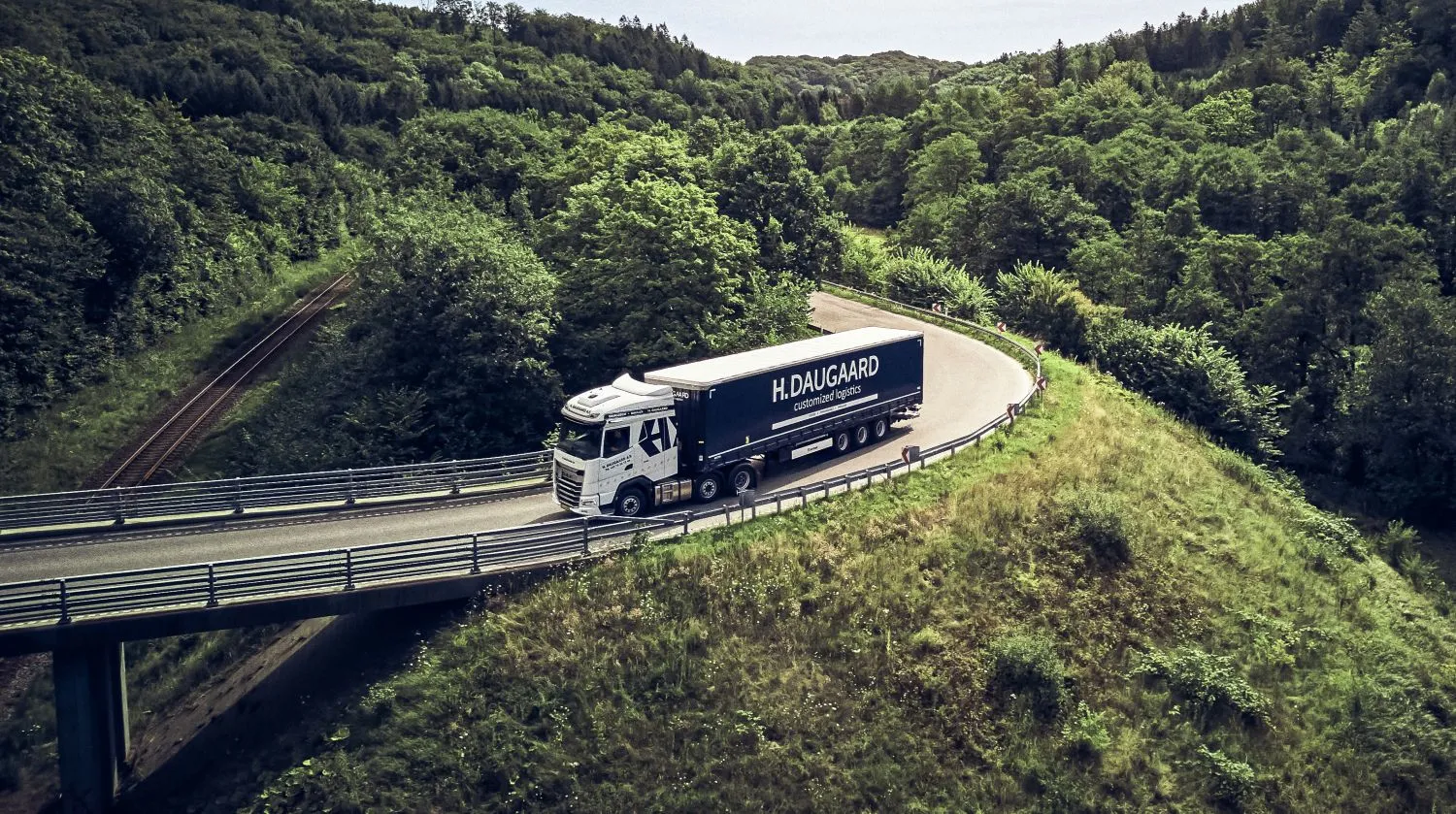
When transporting dangerous goods, everything must be in order from the initial assessment through to delivery. This includes classification, documentation, labeling, and handling throughout the journey. We approach the transport of dangerous goods as a structured process, where safety and regulatory compliance are integral to the process from the very beginning.
We have the facilities and equipment to handle a wide range of dangerous goods and adhere to all applicable safety measures, regardless of the type of cargo involved.
.webp)
What is dangerous goods?
Dangerous goods include substances and items that may pose a risk to people, the environment, or property during transport. These may include flammable liquids, corrosive or environmentally hazardous substances, or other materials with specific packaging and handling requirements. It is precisely these characteristics that place high demands on classification, documentation, and the selection of a transport partner.
The Danish Road Safety and Transport Agency provides guidance on the general framework for what is classified as dangerous goods and the requirements that apply to their transport in Denmark. You can read more about the regulations on the Danish Road Safety and Transport Agency’s website.
What are the requirements for ADR transport?
ADR transport is the international set of regulations governing the road transport of dangerous goods. It sets requirements for classification, packaging, labeling, transport documents, and safety equipment. An ADR shipment requires that both planning and execution are precisely coordinated—errors in documentation or handling can have serious consequences for the shipment and all parties involved.
We have been evaluated according to the SQAS assessment and benchmarking system, so you can confidently entrust your ADR tasks to us, whether for domestic or international transport.

Want us to help you?
Are you ready to start working with a transportation partner that prioritizes creating the solutions that best suit you and your needs? We're always open for a no-obligation chat about your options.
How do we handle the transport of hazardous materials?
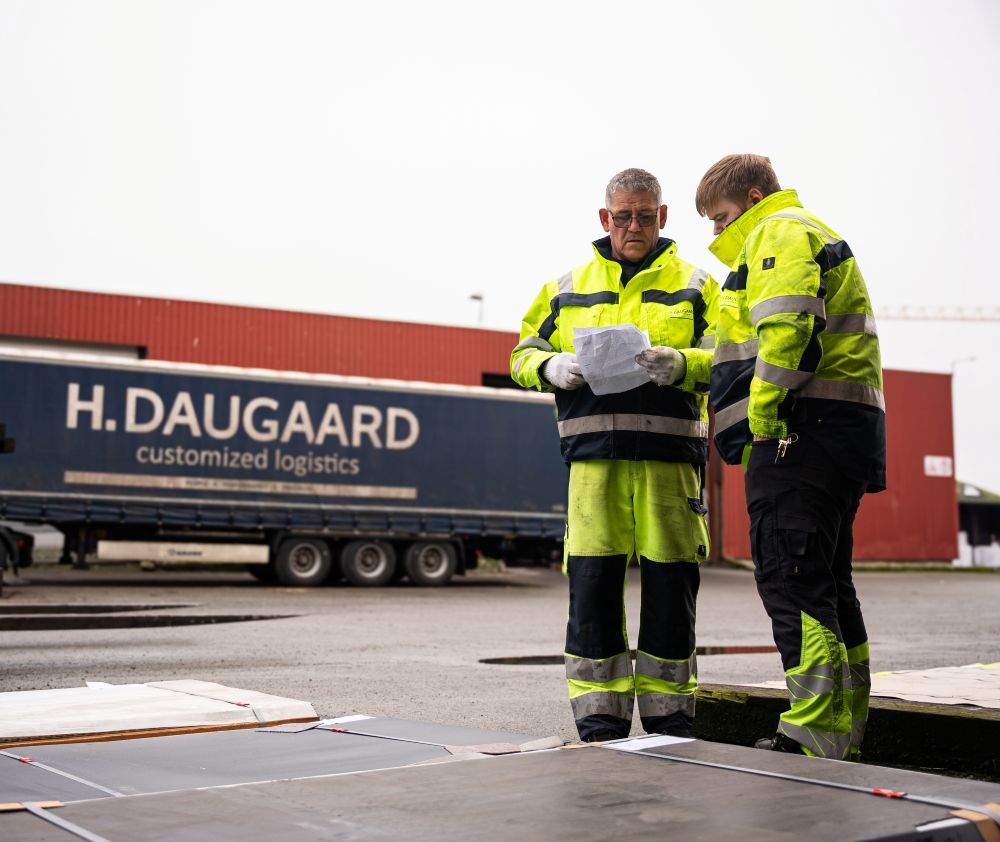
For many years, we have handled the transport of dangerous goods for companies across various industries. Our employees receive ongoing training in the requirements for proper handling and transport, and we are certified to ISO 9001, ISO 14001, and SQAS.
We follow a set structure in which the most important decisions are made early in the process. This reduces the risk of errors and delays along the way.
This means that we ensure:
- Clarification of handling requirements
- That packaging and labeling comply with applicable regulations
- That transport documents are in order and available throughout the journey
- Traceability and real-time tracking of the shipment
When a shipment is subject to special emergency response requirements, we follow the guidelines issued by the Danish Emergency Management Agency. You can review these requirements on the Danish Emergency Management Agency’s website.
What needs to be planned before transport?
Whether it involves domestic road transport or cross-border ADR transport, having the right information is essential for proper planning. When you contact us, it would be helpful if you could provide:
- The type of cargo in question—e.g., UN number and hazard class
- Quantity, weight, and type of packaging, as well as whether the goods are on a pallet, in a drum, in an IBC, or in a tank
- Any requirements regarding temperature, segregation, or handling during loading and unloading
- Pickup and delivery addresses, time slots, and access conditions
With the right information in hand, we can quickly determine which solution is best for your shipment.
.jpg)
Want us to help you?
Are you ready to start working with a transportation partner that prioritizes creating the solutions that best suit you and your needs? We're always open for a no-obligation chat about your options.